
Community
Ohio county corrects election results after finding mock votes mixed in
By Michelle Rivera
Advertisement · Why this ad?
Greg Thompson has over 12 years of experience reporting on local events and community initiatives in Northeast Ohio. A graduate of Baldwin Wallace University, he has a rich history of covering local stories for both radio and print. Greg's passion for community building is reflected in his reporting, as he highlights issues that matter to residents.
More from Greg →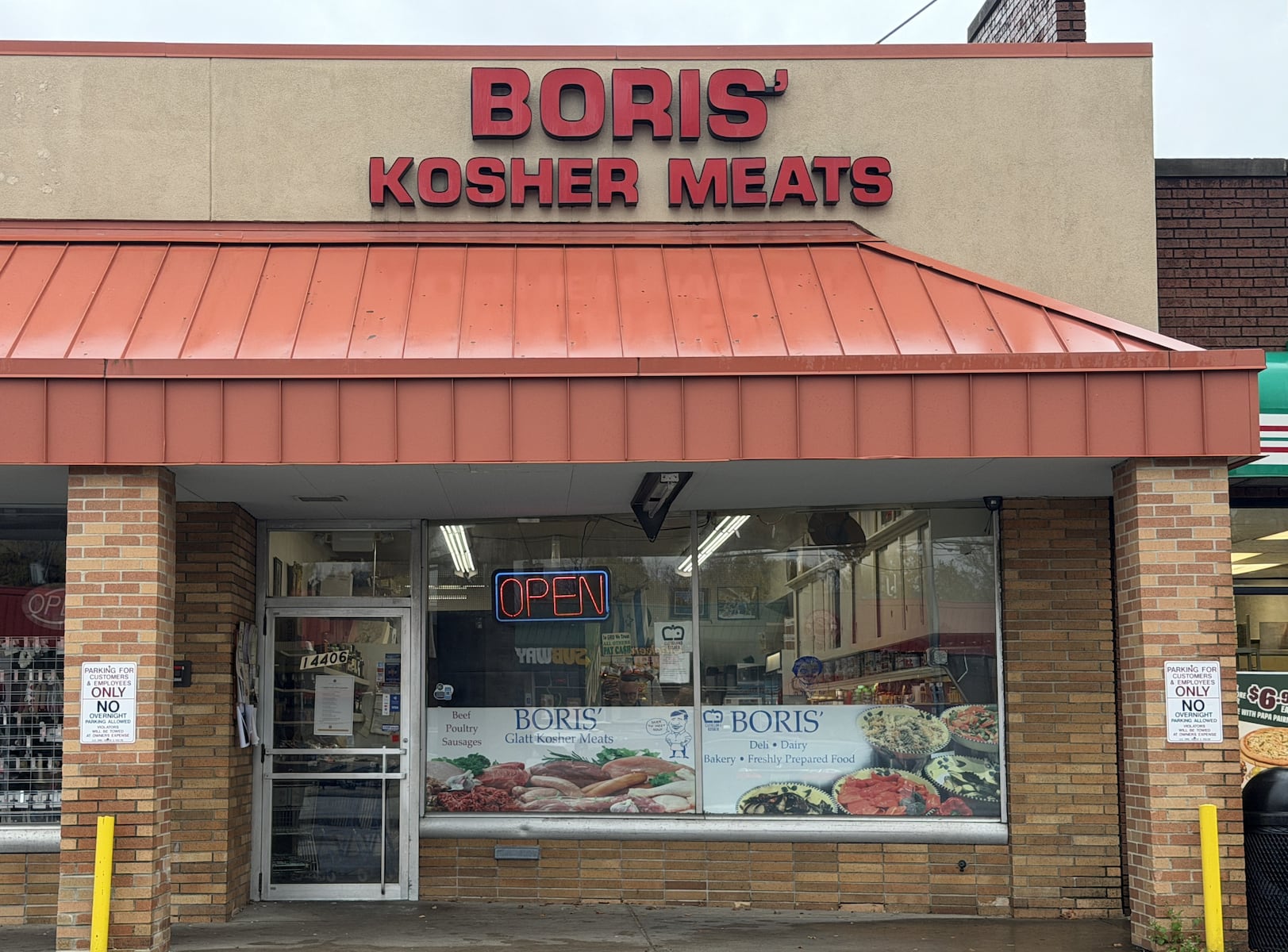
The aroma of smoked meats and the familiar bustle behind the counter at Boris’ Kosher Meat in University Heights are a comforting constant for many in the community. Now, after 43 years, that constant is shifting as Boris Mikhli, the store’s beloved proprietor, passes the butcher’s apron to a new owner. This transition marks not just a change in leadership but a moment of reflection on a local institution that has become deeply intertwined with the fabric of the neighborhood, particularly for observant Jewish families.
For over four decades, Boris’ Kosher Meat has been more than just a butcher shop; it’s been a vital thread in the fabric of the University Heights community, particularly for observant Jewish families. The store’s presence speaks to the importance of kosher food accessibility and the vibrant Jewish life that thrives in the Cleveland area. University Heights, while diverse, has long been a hub for Jewish families, drawn by its strong public schools and proximity to synagogues and community centers. The Cleveland Jewish community, while diverse in its denominations and practices, deeply values institutions that uphold religious traditions and provide essential services. The existence of a well-regarded kosher butcher like Boris’ Kosher Meat reinforces a sense of belonging and continuity for many families, allowing them to maintain their religious observances and connect with their heritage. The closure of such an institution, and the subsequent transition, highlights the dynamic nature of local businesses and the need to preserve cherished traditions, especially those that cater to specific cultural or religious needs.
Boris Mikhli, 75, has passed his butcher’s apron to Adam Levine, a resident of University Heights and a congregant of Bais Dovid in Beachwood. Mikhli, who started the business in 1983, will continue to work at the store part time on Wednesdays, Thursdays, and Fridays, offering his expertise and mentorship to the new owner. Levine, who brings a background in the food industry, plans to improve customer service, introduce new products, and refine the overall shopping experience while maintaining the store’s core values and reputation. The transition was driven by Mikhli’s desire to step back after decades of dedicated service, recognizing the need for fresh perspectives and energy to ensure the store’s continued success.
Levine, who has been a regular customer of Boris’ Kosher Meat for years, said, 'I’ve spent years in the food industry, so this felt like the right moment to put that experience toward something that matters here at home.' His goal is to provide extraordinary customer service and bring in purpose-driven products to make meals amazing. He understands the significance of the store’s role within the community and is committed to preserving its legacy.
The transition marks a significant shift for the store, but Mikhli remains optimistic about the future. He said, 'I’ll revisit after six months or so and see how I want to proceed,' indicating his willingness to support Levine in his endeavors and ensuring a smooth handover of knowledge and expertise. This ongoing involvement demonstrates Mikhli’s deep commitment to the store and its place within the community.
The story of Boris’ Kosher Meat is inextricably linked to the personal journey of Boris Mikhli himself. His arrival in the United States in 1974 marked the beginning of a new chapter, leaving behind the Soviet Union and seeking opportunity in a new land. The Soviet Union’s restrictions on religious practice and emigration made life difficult for many Jewish families, and Mikhli’s move represented a pursuit of greater freedom and opportunity – the ability to openly practice his faith and build a life based on his values. The experience of Soviet Jews seeking emigration was often fraught with challenges, including bureaucratic hurdles, harassment, and limitations on travel. Mikhli’s decision to leave reflects a broader wave of emigration from the Soviet Union in the latter half of the 20th century, driven by a desire for religious and political freedom. His initial work at a factory in New York, where he first learned the art of meat cutting and preparation, laid the foundation for his future success. The move to Cleveland in 1976 was driven by the hope of owning his own business, a dream that was often delayed by circumstance and the challenges of starting anew in a foreign country. He initially worked for another butcher, with an agreement to purchase the shop, but that opportunity didn’t materialize. Ultimately, the chance to buy Boris’ Kosher Meat presented itself, and with the encouragement of his wife, Alla, he took the leap.
The challenges faced by immigrants from the Soviet Union in the 1970s were considerable, including language barriers, cultural differences, and navigating a new job market while often facing discrimination. Mikhli’s perseverance and determination to establish his own business are a testament to the resilience of the immigrant community in Cleveland and their contributions to the city’s cultural and economic vibrancy. His story is a microcosm of the broader immigrant experience, highlighting the sacrifices and triumphs of those seeking a better life in America.
The existence of kosher butchers like Boris’ Kosher Meat is crucial for observant Jewish communities. Kosher dietary laws (kashrut) dictate specific rules regarding permitted foods and their preparation, extending far beyond simple ingredient lists. These laws encompass the entire process, from the humane slaughtering of the animal to the utensils used in preparation, ensuring that every step adheres to strict guidelines. A kosher butcher shop provides a reliable source for meat that adheres to these guidelines, ensuring that Jewish families can maintain their religious practices and feel confident in their food choices. The closure of a kosher butcher can significantly impact the community’s ability to observe these traditions, underscoring the importance of finding a successor like Adam Levine. Maintaining kosher certification also involves ongoing inspections and adherence to strict standards, adding to the operational costs of the business.
The news of Boris’ Kosher Meat finding a new owner has sparked both excitement and sadness in the community. Local residents have been frequent visitors to the store, not just for its meat but for the friendly atmosphere and the relationships it has built over the years. The store has become a gathering place, a hub of conversation and connection, especially for those who value the sense of community that it fosters. The transition also underscores the challenges faced by small, specialized businesses in maintaining their presence in a changing retail landscape.
Alia Kohn, a long-time customer, said, 'Boris has been more than just a butcher to me. He’s a friend and a mentor. I’m going to miss his legendary chopped liver and his warm smile.' Such sentiments are common among the store's loyal clientele, who value the personal connection and sense of community that Boris fostered over the years. The store’s reputation extends beyond simply providing meat; it's a place where neighbors gather, share stories, and maintain a vital sense of belonging. The loss of a familiar face like Boris represents more than just a change in ownership; it signifies the passing of an era and the potential for a shift in the store’s character.
Boris’ Kosher Meat wasn’t just about the cuts of meat. Alla Mikhli, Boris' wife, played a crucial role in expanding the store's offerings and enriching the community's culinary experience. Recognizing the wisdom and experience of the older women in the community, Boris actively sought their recipes, understanding that food is often a powerful link to cultural heritage. This collaborative approach resulted in a unique menu of traditional Jewish dishes, including matzo balls, kreplach, stuffed cabbage, chopped liver, and a beloved lamb and rice dish. He also mastered the art of making his own salami, sausages, beef jerky, beef tongue and other dried meats. These homemade specialties became synonymous with Boris’ Kosher Meat and a source of pride for the community.
The recipes shared by community members represent a valuable link to Jewish culinary traditions passed down through generations. These dishes evoke memories of family gatherings, holidays, and cultural heritage, making them more than just meals – they are tangible connections to the past. Maintaining these culinary traditions is vital for preserving cultural identity and passing it on to future generations.
Adam Levine's plans for Boris’ Kosher Meat extend beyond simply maintaining the status quo. He aims to enhance the customer experience by reorganizing the store layout, introducing new products, and focusing on exceptional service. Levine's background in the food industry gives him a unique perspective on how to meet the evolving needs of the community while preserving the store’s core values and reputation. He also emphasizes the importance of building relationships with customers and fostering a welcoming atmosphere. Levine intends to modernize aspects of the business while respecting its history and traditions, ensuring that Boris’ Kosher Meat remains a vital part of the University Heights community for years to come.
The store's hours are 8 a.m. to 1 p.m. on Sunday; 8 a.m. to 6 p.m. on Monday and Tuesday; 7 a.m. to 6 p.m. on Wednesday; 7 a.m. to 7 p.m. on Thursday; and 7 a.m. to 2 p.m. on Friday.
By Michelle Rivera

By Michelle Rivera

By Michelle Rivera

By Michelle Rivera